10 hr 30 min
Nikko Day Trip: Toshogu Shrine & Kegon Falls from Tokyo
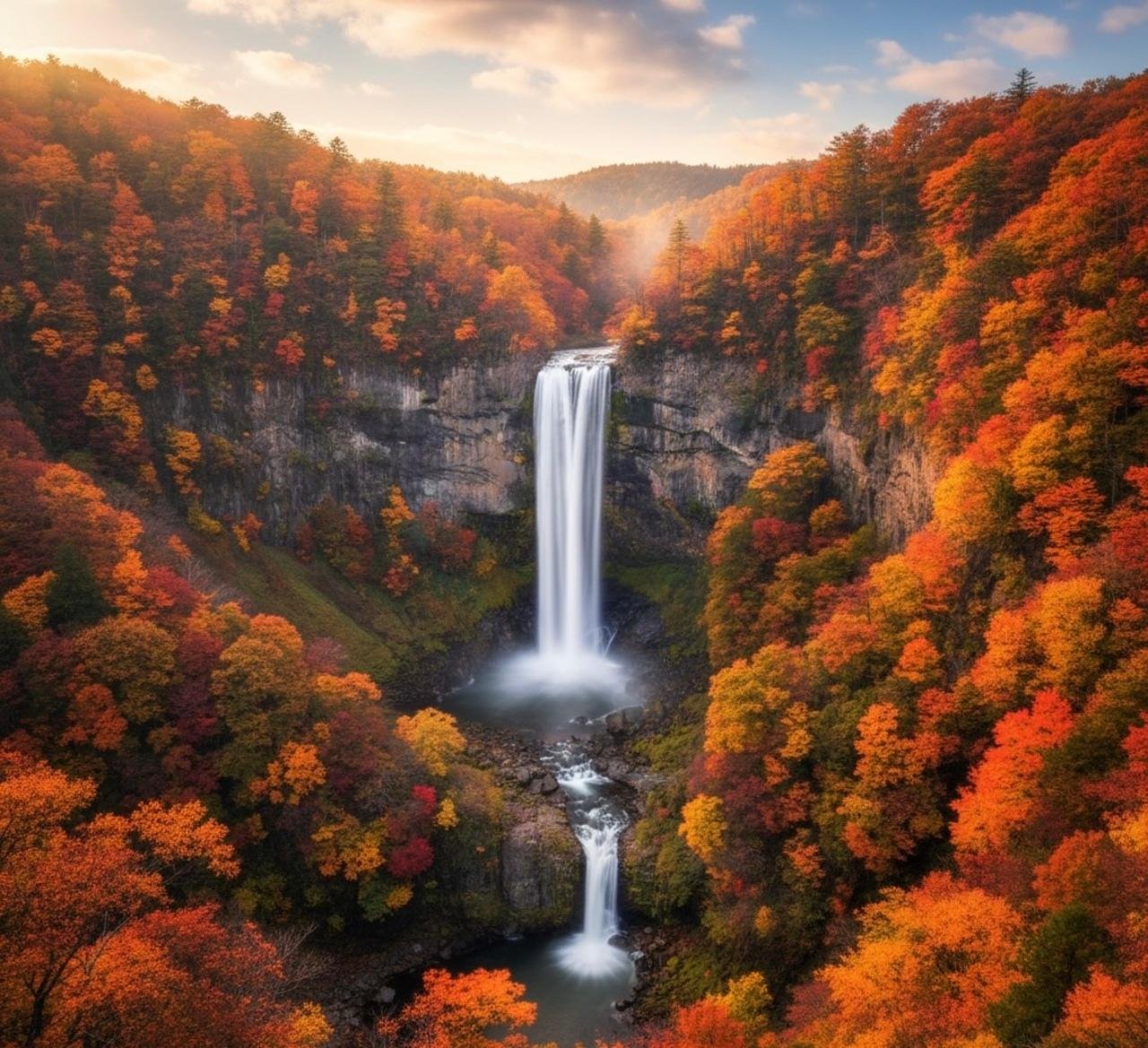
Full-day trip from Tokyo to Nikko's UNESCO shrine, Kegon Falls and Lake Chuzenji by coach.
Reserve
Cedar avenues open at dawn, gold leaf answers at noon.
Hand-picked by our editors — only the best 5 experiences from 118 reviewed.
Verified partners for every tour, free cancellation where available, and instant confirmation on every booking.
10 hr 30 min
Full-day trip from Tokyo to Nikko's UNESCO shrine, Kegon Falls and Lake Chuzenji by coach.
Reserve
11 hr
Private UNESCO Nikko day trip in a luxury vehicle with an English-speaking driver.
Reserve
10 hr
Private, English-speaking driver tour to Nikko's waterfalls, lake and Toshogu Shrine, 10 hours from Tokyo.
ReservePrices from verified partners. Availability updates in real time at checkout. Free cancellation policies apply where shown.
The landmarks, rooms, and views travelers on this tour remember — all visible on a single visit.
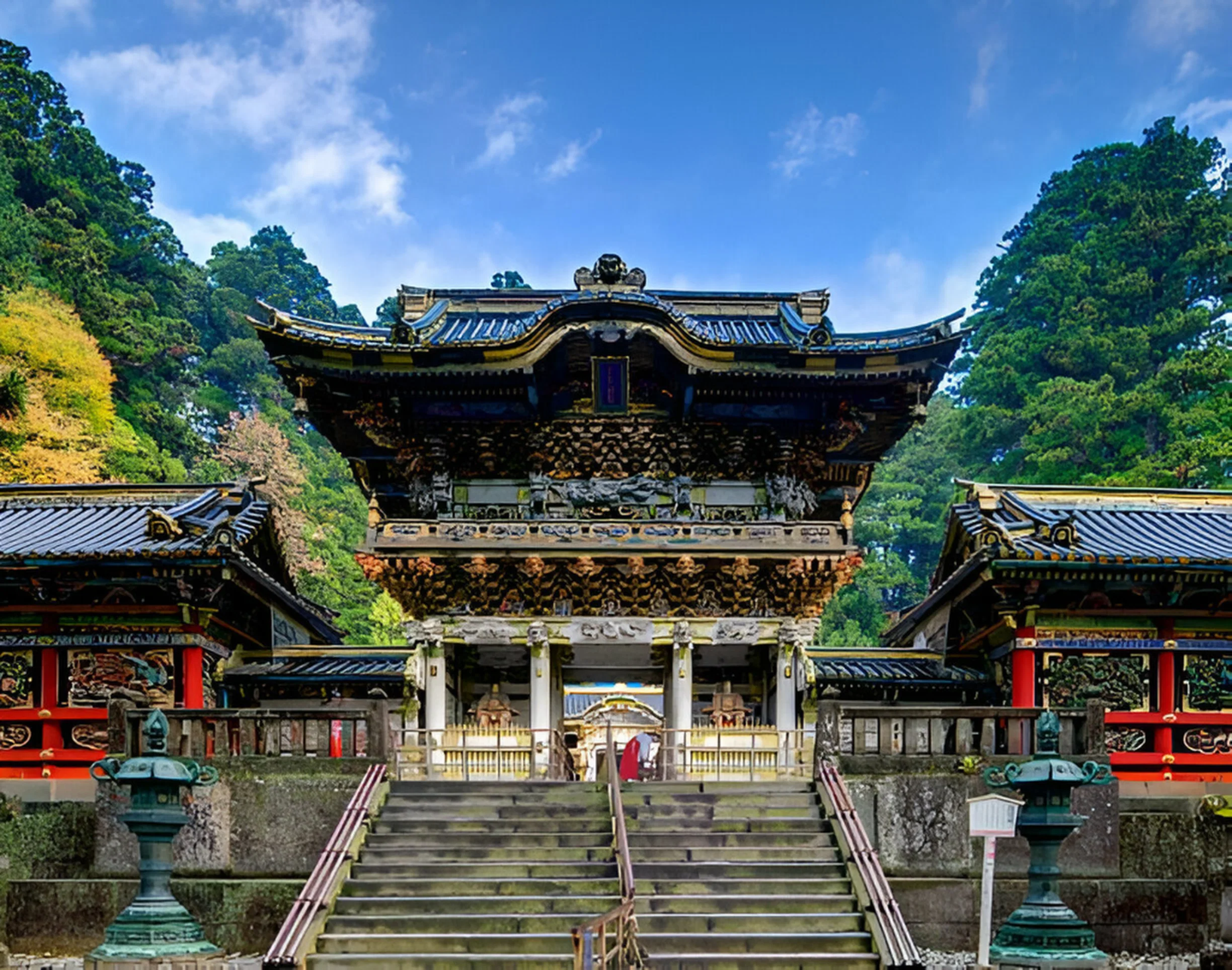
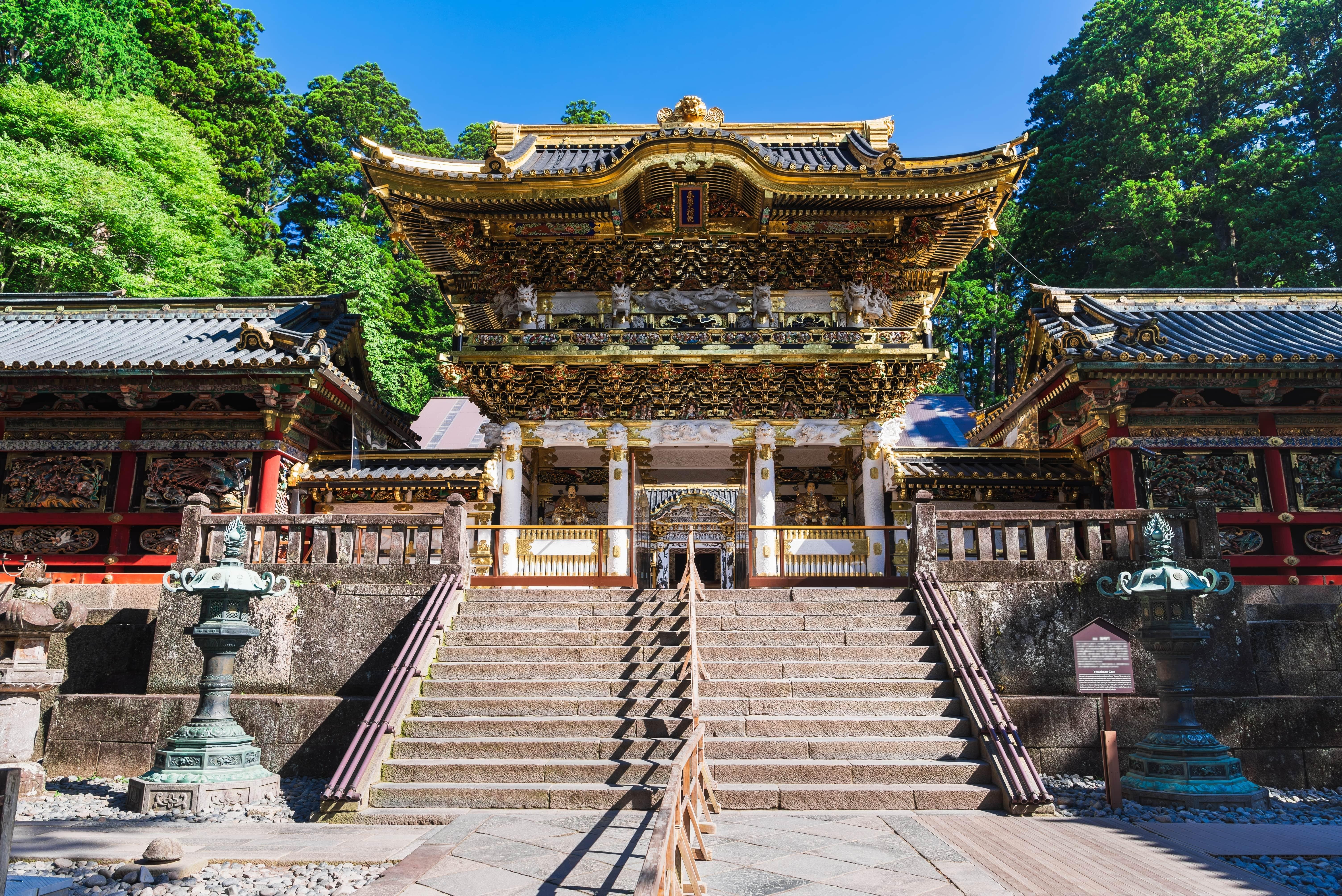
Lavish gate featuring over 500 intricate wood carvings covered in gold leaf. It is a National Treasure.
They complement each other; most visitors who do both call the shrine the more visually dynamic landmark while describing the temple as the superior space for quiet reflection. Choosing a nikko private day tour from tokyo helps maximize your time between these two UNESCO heritage sites.
| Feature | Top pick Toshogu Shrine | Rinno-ji Temple |
|---|---|---|
Architectural Style |
Ornate Edo-period gold leaf | Solemn Tendai Buddhist design |
Primary Religious Focus |
Shinto spirit veneration | Buddhist enlightenment |
Complexity of Detail |
Extremely high; intricate carvings | Moderate; grand wooden structural scale |
Time Required |
1.5–2 hours | 45–60 minutes |
Visitor Crowds |
High; peak morning congestion | Moderate; steady foot traffic |
Access Complexity |
207 steps to reach | Flat terrain access |
| See tickets → |
Verdict: Prioritize Toshogu if you seek intricate artistic mastery, or select Rinno-ji for a serene contrast during your nikko private day tour from tokyo tour, keeping in mind that your nikko private day tour from tokyo tickets grant access to distinct cultural experiences.
Choose your ticket, select your date, and reserve in under two minutes. Secure checkout handled by our verified partner.
Instant confirmation by email, with a mobile voucher you can save offline. No printing, no queuing at a collection desk.
Arrive at the entrance, show your voucher on your phone, and walk in. Most tickets include priority or skip-the-line access.
Best time to go, insider tips, nearby landmarks, and the cancellation fine print — flip through to skim what matters to you.
Flexible, no hidden fees.
Entry tickets to Toshogu Shrine are generally non-refundable once purchased. Please check the specific terms provided by your tour operator regarding their 1,600 JPY admission fee coverage.
Toshogu Shrine holds the grave of a man who asked to be buried elsewhere. Tokugawa Ieyasu died in 1616 at Sunpu and was interred first on Mount Kuno; a year later his remains travelled north to Nikko, into the cedar-shadowed hills of what is now Tochigi. His grandson Iemitsu rebuilt the complex between 1634 and 1636. Some 15,000 craftsmen worked for seventeen months. The shrine that resulted contains over 5,000 carvings. That excess was political. Where Kyoto's older sanctuaries taught restraint, Nikko argued the opposite case: that a warrior clan which had ended a century of civil war deserved gold leaf, lacquer, and Chinese ornament. The choice of site was cosmological. Nikko sits due north of Edo, the direction from which, in Chinese geomancy, protection flows. Ieyasu became Tosho Daigongen, the great deity who illuminates the east, and his mausoleum became a state instrument. Feudal lords were made to fund its upkeep, and to walk the 37-kilometre cedar avenue that pilgrims still follow. Those trees — roughly 13,000 remain of an original 200,000 — were planted by a single retainer, Matsudaira Masatsuna, over twenty years. A visitor weighing a nikko private day tour from tokyo is therefore considering a shrine that was designed as an argument rather than a retreat. UNESCO inscribed the Shrines and Temples of Nikko in 1999, citing 103 structures and the integration of buildings with the mountain landscape. Nine are National Treasures. The architecture rewards slow reading. Yomeimon, the gate at the head of the 207 steps that structure the site's access, carries 508 carvings across two storeys: Chinese sages, dragons, peonies, and a column deliberately inverted so that perfection would not offend the gods. Behind it, the Honjido ceiling produces the naki-ryu, the crying dragon, a resonance effect audible only beneath the beast's mouth. The Nemuri-neko — the sleeping cat, attributed to the sculptor Hidari Jingoro — guards the passage to Ieyasu's tomb. Nearby stand the three wise monkeys, carved on a stable for sacred horses, the oldest surviving depiction of the mizaru-kikazaru-iwazaru triad in Japan. Restoration is continuous. The Heisei-era conservation of Yomeimon, completed in 2017, consumed six years and re-applied gold leaf by traditional method.
"Nikko was never a retreat; it was an argument in gold leaf, addressed north of the capital."
The shrine has gravel paths and 207 steps to the mausoleum, making it difficult for strollers. We recommend a private tour if you need help navigating the terrain.
Photography is allowed in the courtyards of Toshogu Shrine, but strictly prohibited inside the buildings.
Prohibited items include drones, tripods, and alcohol. Please respect the Toshogu Shrine environment.
Most visitors spend 1–3 hours exploring the complex. A nikko private day tour from tokyo often includes extra time for hidden details.
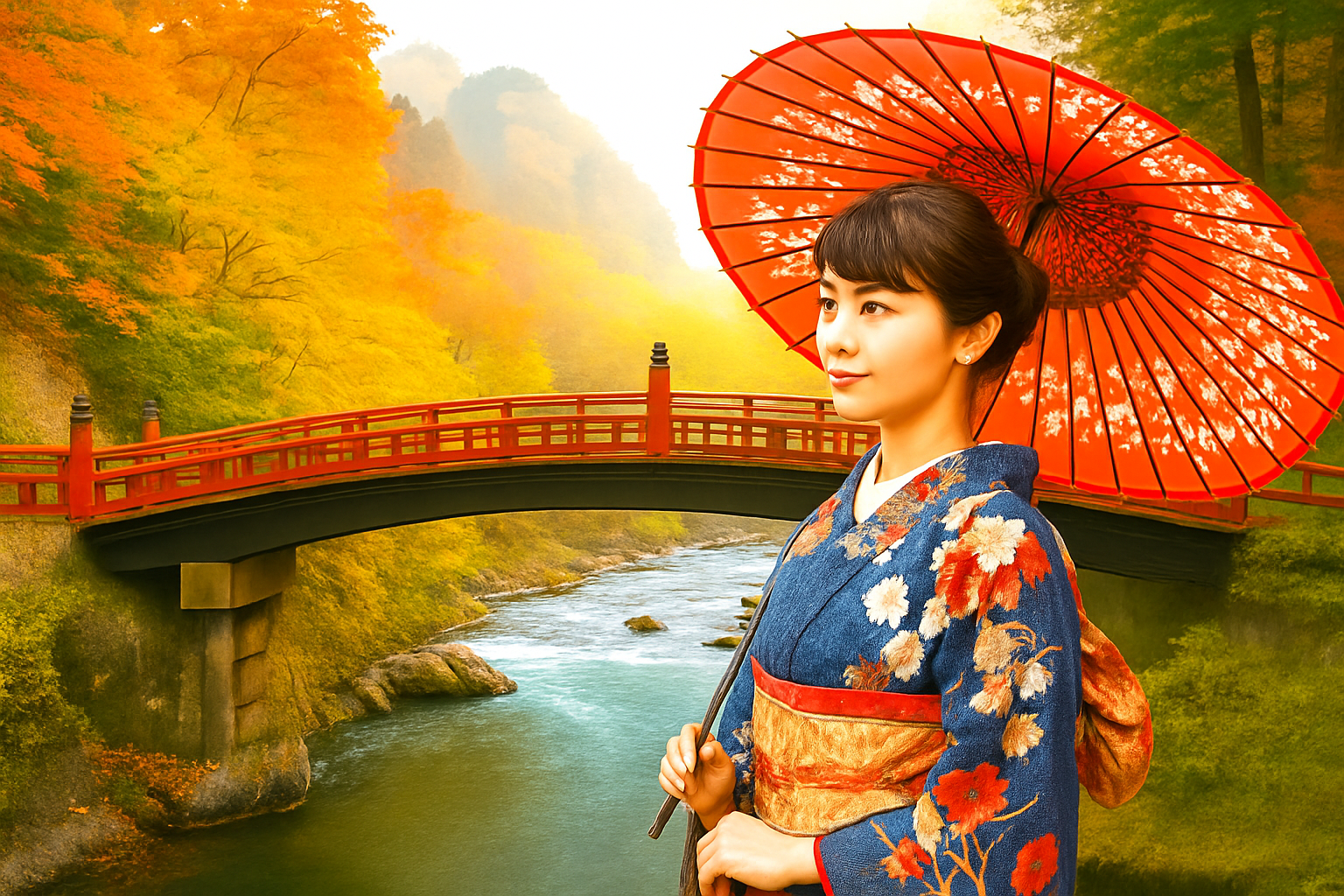
Yes, many visitors combine Toshogu Shrine with nearby temples or the Shinkyo Bridge as part of their day trip.
Visitors should wear modest, respectful clothing suitable for a religious landmark.